
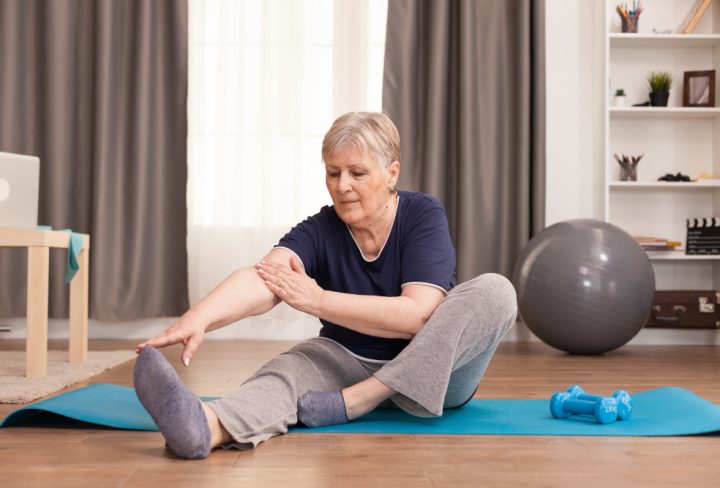
Maintaining joint health is key to living an active and pain-free life. Your knees are among the most important joints in your body. They help you walk, run, climb stairs, and even stand up from a chair. Because of this, keeping your knees strong and flexible is vital for daily comfort and mobility. In this blog, you will learn about common knee problems, signs of poor knee health, and simple ways to protect your knees for years to come.
Common Causes of Knee Joint Problems
Many people experience knee pain or stiffness at some point. Often, this happens due to daily habits or health conditions. Understanding the causes can help you prevent future issues. For example, some causes include:
Additionally, age and genetics can play a role. But, with the right steps, you can lower your risk of knee problems.
Signs and Symptoms of Poor Knee Health
It is important to notice early signs of knee trouble. This way, you can take action before the problem gets worse. Watch for these symptoms:
If you notice any of these signs, it is wise to rest your knee and seek advice if symptoms persist.
Evidence-Based Tips for Maintaining Knee Strength and Flexibility
Keeping your knees healthy does not have to be hard. In fact, small daily habits can make a big difference. Here are some proven tips for knee pain prevention and joint care:
According to the CDC, regular physical activity and muscle strengthening are among the best ways to keep your knees healthy.
Lifestyle and Dietary Recommendations for Joint Health
Besides exercise, your daily habits and diet also affect your knee health. For example, you can:
In addition, people living in colder climates may need extra vitamin D during winter months. Always aim for a balanced diet to support your joints.
Prevention Strategies for Knee Injuries
Preventing knee injuries is easier than treating them. Therefore, consider these simple steps:
By following these tips, you can lower your risk of knee injuries and keep your joints healthy for longer.
When to Seek Medical Advice
Sometimes, knee pain or stiffness does not go away with rest. In such cases, it is important to see a doctor. You should seek medical help if you:
Early treatment can prevent further damage and help you recover faster. According to the WHO, timely care is key to joint health.
Conclusion
In summary, maintaining joint health and keeping your knees strong and flexible is possible with simple daily steps. Regular exercise, a healthy diet, and smart habits can protect your knees for life. If you have ongoing knee pain or concerns, consult an orthopedic specialist for personalized advice and care.